Long and Short
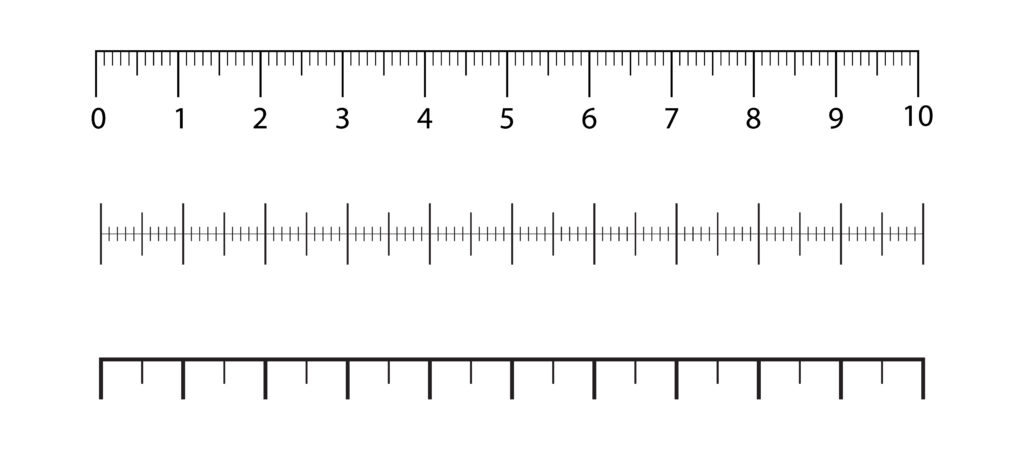
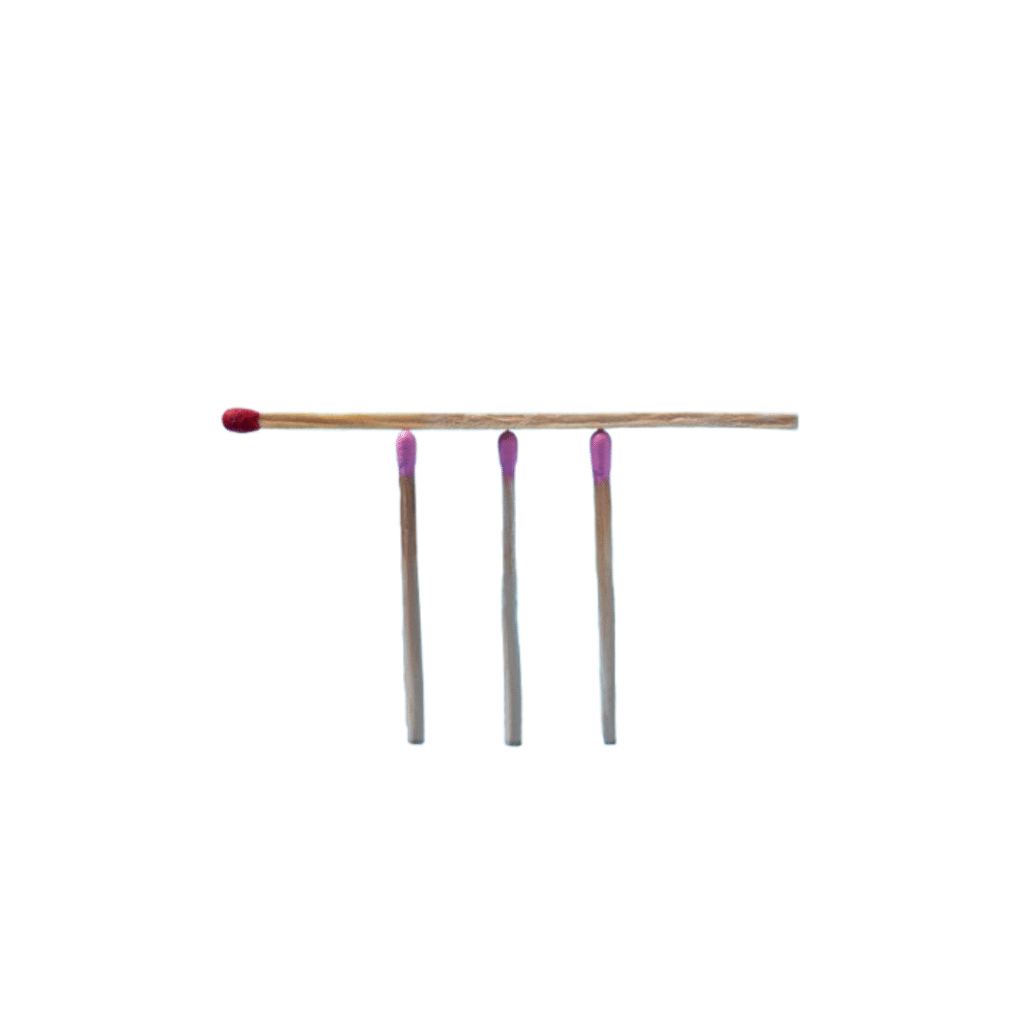
Everything around us has a length! Explore how we measure objects, compare them using **standard units** like centimeters ($\text{cm}$) and meters ($\text{m}$), and practice making smart guesses (**estimation**).
- Select a concept below to explore length measurement.
- Learn the standard units: $\text{cm}$ and $\text{m}$, and the relationship between them.
- Practice **estimating** the length of everyday objects.
- Use the **Classification** module to sort tools and units.
- Test your measurement knowledge with the **Practice Quiz** button.
Measurement relies on standard units so everyone agrees on the length. Before using $\text{cm}$ and $\text{m}$, people used non-standard units like handspans and foot lengths, which were inconsistent.
The Standard Units of Length
The standard system of measurement (Metric System) uses the Meter as its base unit for length.
| Unit | Abbreviation | Used to Measure | Real-World Example |
|---|---|---|---|
| Centimeter | $\text{cm}$ | Small objects (pencil, book, finger) | The width of a thumb is about $1 \text{ cm}$. |
| Meter | $\text{m}$ | Large objects (room, cloth, height of a person) | The length of a doorway is about $1 \text{ m}$. |
The most important relationship between these units is:
$$1 \text{ meter} = 100 \text{ centimeters}$$Estimation is making a **reasonable guess** about the measurement before actually measuring it. It helps improve spatial sense and is an important practical skill.